Store types
For-profit chains, charity shops, vintage boutiques, consignment, and outlet bins each price and rotate stock differently. Knowing which is which saves both money and time.
Read about store types →A practical reference on where second-hand clothing comes from, how to judge quality before buying, and how to build a wardrobe from pre-owned items. Written for shoppers across Canadian cities, from Toronto to Vancouver.
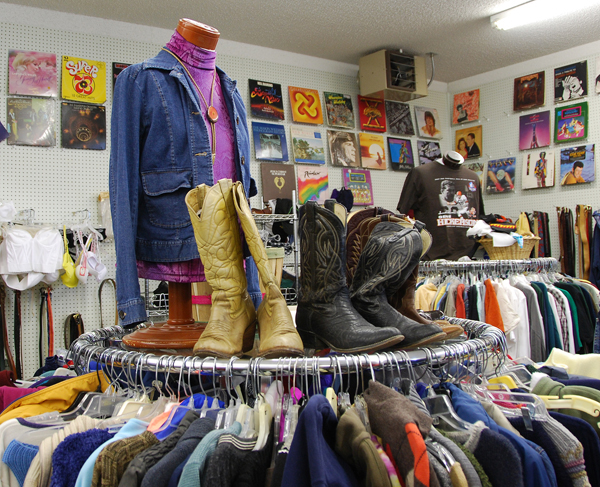
Second-hand shopping in Canada spans several distinct channels: large for-profit chains, charity-run shops, independent vintage boutiques, consignment stores, and community-run sales. Each operates differently in how it sources stock, prices items, and rotates inventory. Understanding those differences is the first step to shopping efficiently.
Interest in buying pre-owned has grown alongside cost-of-living pressure. A 2025 survey by Habitat for Humanity Canada reported that more than 80 percent of Canadians agreed that thrifting "simply makes sense" under current conditions, and a TD Bank survey found a notable share of respondents planning to choose lower-cost alternatives such as buying second-hand. These figures are drawn from the publicly reported survey summaries cited below.
For-profit chains, charity shops, vintage boutiques, consignment, and outlet bins each price and rotate stock differently. Knowing which is which saves both money and time.
Read about store types →A short, repeatable inspection routine covering seams, fabric, zippers, odours, and fit reduces the chance of bringing home unusable items.
Read the quality checklist →Building a working wardrobe from second-hand pieces relies on planning gaps, neutral bases, and realistic care routines rather than impulse buys.
Read the wardrobe guide →Large Canadian chains such as Value Village (operating as Talize in parts of Ontario) commonly use colour-coded price-tag rotations, where a specific tag colour is discounted for a set period before rotating to the next colour. Shoppers who check current in-store signage or a chain's app can time purchases against the active discount colour.
Donation volume also rises seasonally, with larger surges around spring cleaning and late-summer transitions, which affects how much fresh stock appears on the floor. Specific colours, dates, and discount percentages vary by retailer and location, so confirm them locally rather than assuming a fixed schedule.

Use the form below to send a question about the topics covered on this site. This is a static form that simulates submission in your browser; no data is sent to a server.