Types of second-hand stores in Canada
Second-hand shopping is not one experience. The store format you walk into determines pricing logic, stock quality, and how often inventory changes. This guide separates the main formats found across Canadian cities.

For-profit thrift chains
Large chains are the most visible second-hand format in Canada. Value Village, which operates as Talize in parts of Ontario, runs a network of for-profit stores. According to publicly reported information, these chains acquire goods from charitable partners and resell them; shopping in the stores does not itself constitute a direct donation to a charity. Pricing tends to be brand-aware, and stock volume is high.
Colour-tag rotation
Chains commonly mark items with coloured price tags and discount one colour at a time on a rotating schedule. The active colour and discount vary by store and week, so check in-store signage or the retailer's app before assuming a price.
Charity shops
Charity-operated shops, such as those run by the Salvation Army and various local hospices and community organizations, sell donated goods to fund their programs. Pricing is often simpler and lower than at large chains, though selection depends heavily on local donations. These shops are usually smaller and more variable store to store.
Vintage boutiques
Independent vintage stores curate older clothing by era, condition, and style. Prices are higher because the owner has already done the sorting and authentication. This format suits shoppers looking for specific decades or pieces rather than volume bargains.
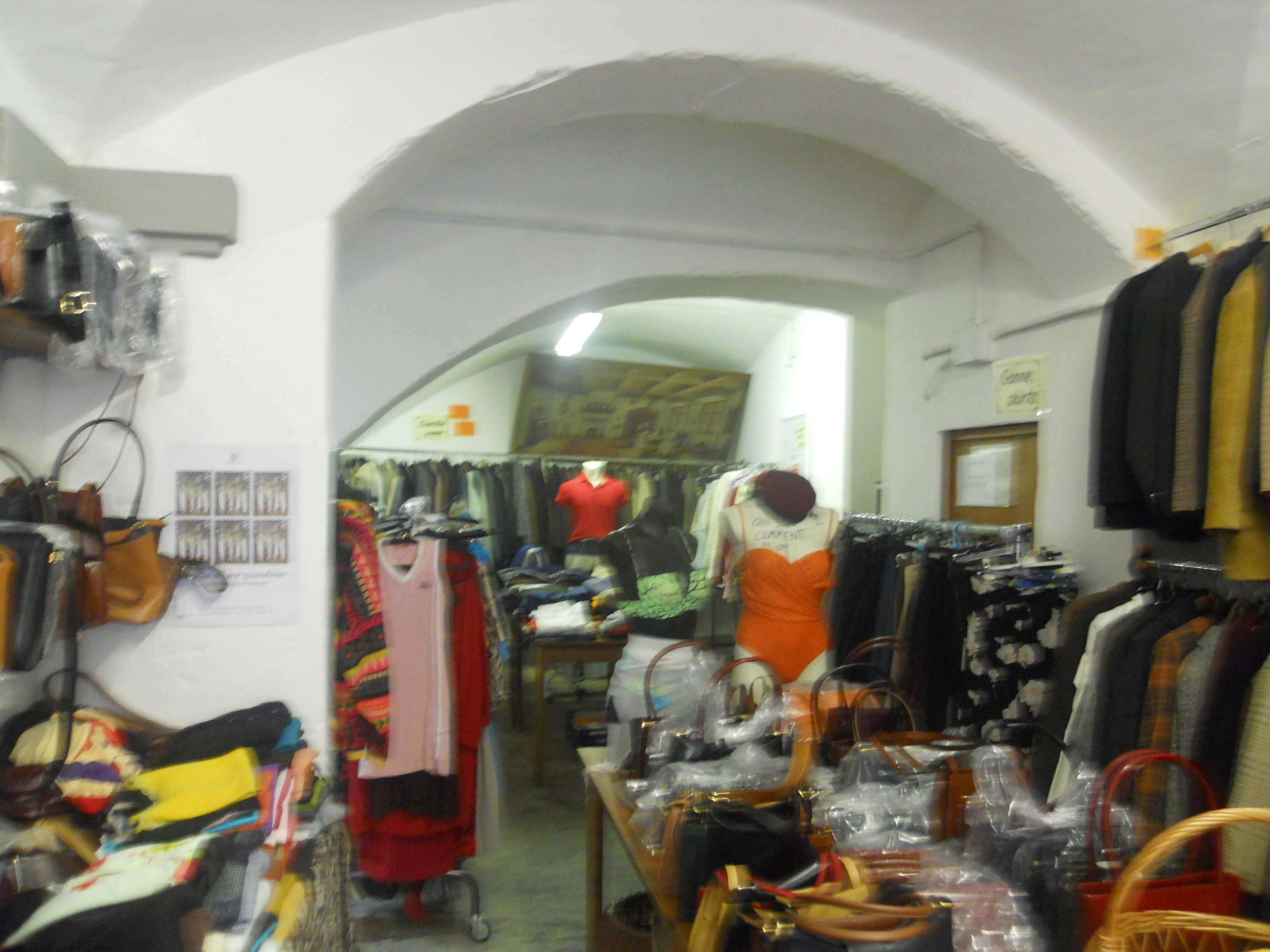
Consignment stores
Consignment shops sell items on behalf of their original owners and split the proceeds. Because sellers are paid only when an item sells, consignment inventory often skews toward higher-value or better-maintained clothing. Expect tighter quality standards and mid-range pricing.
Outlet and bin stores
At the lowest-price end, outlet or "bins" locations sell unsorted goods, sometimes priced by weight. Selection is unpredictable and inspection is essential, but prices are the lowest in the second-hand spectrum.
| Format | Pricing | Stock quality | Best for |
|---|---|---|---|
| For-profit chain | Brand-aware | Mixed, high volume | Broad everyday search |
| Charity shop | Lower, simple | Variable, local | Budget basics |
| Vintage boutique | Higher | Curated | Specific eras and styles |
| Consignment | Mid-range | Higher, vetted | Better-maintained pieces |
| Outlet / bins | Lowest | Unsorted | Patient bargain hunting |
Sources: publicly reported information from Value Village and Canadian retail coverage by Global News.